Your smart thermostat batteries needed replacing. You swapped them in. The thermostat boots up. It shows your set temperature. But it does not connect to Wi-Fi. The Wi-Fi symbol is missing or shows an X. Voice control through your smart home app no longer works. Schedule changes do not sync. You have a thermostat that controls the HVAC but is disconnected from your smart home.
Why a battery change can cause this
Smart thermostats typically have two power sources: the C-wire from your HVAC system, and backup batteries. Different thermostats handle the battery change differently:
- Some thermostats lose all settings during a battery change (full reset to factory defaults)
- Some retain settings but reset Wi-Fi configuration
- Some retain Wi-Fi but reset the system clock
- Some retain everything across a brief battery swap
Check your specific model. The thermostat manual usually describes battery change behavior.
Check the thermostat’s status screen
Most smart thermostats have a diagnostic menu showing Wi-Fi status. Look for:
- SSID name (is it your network or a different one?)
- Signal strength
- IP address
- Connection state
If the SSID is empty, the Wi-Fi configuration was lost. If the SSID is set but the connection state is failed, the Wi-Fi configuration is there but cannot connect.
Re-enter Wi-Fi credentials
If the SSID is missing, you need to re-enter the Wi-Fi credentials. Each thermostat has its own setup flow:
- Nest thermostats: Settings, Network, Choose Network, enter password.
- Ecobee: Settings, Wi-Fi, configure.
- Honeywell Lyric: Settings, Wi-Fi setup.
- Sensi: Settings, Wi-Fi Setup.
Re-entering credentials usually fixes the connection.
Verify the SSID is broadcasting
If the thermostat says it cannot find your SSID, verify the SSID is broadcasting (not hidden). Some thermostats cannot connect to hidden SSIDs.
Temporarily un-hide your SSID, connect the thermostat, then re-hide if you want.
The 2.4 GHz requirement
Most smart thermostats are 2.4 GHz only. If your network is 5 GHz only (or if 2.4 GHz is on a different SSID than what the thermostat is trying to connect to), the connection fails.
Ensure 2.4 GHz is broadcasting under the SSID the thermostat knows.
The WPA3 incompatibility
Older smart thermostats only support WPA2. If your network is WPA3-only, they cannot connect.
Switch to WPA2 or WPA2/WPA3 mixed mode for the duration of the reconnection. After connection succeeds, you can switch back if needed.
The DHCP exhaustion
If your DHCP pool is exhausted (too many devices, small pool), the thermostat cannot get an IP and the connection fails.
Increase the DHCP pool size in your router. Or set a DHCP reservation for the thermostat’s MAC so it always gets the same IP.
The captive portal
If you have a captive portal on your network (requiring login at a web page after Wi-Fi connect), the thermostat cannot pass it. Most thermostats do not have a browser to log in.
Disable the captive portal for the thermostat’s MAC, or use a different network without a captive portal.
The hub or bridge dependency
Some smart thermostats need a paired hub (Ecobee with its Smart Sensor, some Honeywell models). If the hub is offline, the thermostat may not connect properly.
Verify the paired hub is online and reachable before troubleshooting the thermostat directly.
The Wi-Fi credentials in the app
Some thermostats remember Wi-Fi credentials in their cloud account, not just locally. If you re-add the thermostat to your account, it pulls the credentials and reconnects.
Open the thermostat manufacturer’s app. Delete the thermostat from your account. Re-add it through the app’s setup flow. Enter your Wi-Fi credentials again.
The integration that needs re-linking
After the thermostat reconnects, your smart home integrations (Alexa, Google Home, Apple Home) may have lost the device. They see the thermostat as offline and may not recover automatically.
Re-run device discovery in each integration. Or unlink and re-link the manufacturer integration to refresh.
The full factory reset path
If the Wi-Fi reconnection is repeatedly failing and you cannot identify the issue, a factory reset of the thermostat clears all configuration. You re-setup from scratch.
Before resetting, write down your schedule, current set point, and any custom settings. Re-enter them after the reset and reconnection.
The hardware degradation
If a thermostat has needed batteries multiple times in a year and the Wi-Fi gets unreliable after the most recent change, the battery contacts may be worn. The thermostat is not getting consistent power.
Clean the battery contacts with a dry cloth. If the issue persists, the thermostat may need replacement.
The smart sensor reconfiguration
If your thermostat has remote temperature sensors (Ecobee specifically), these may need to be re-paired after a battery change on the main unit. They show as offline in the app.
Re-pair from the thermostat’s settings menu.
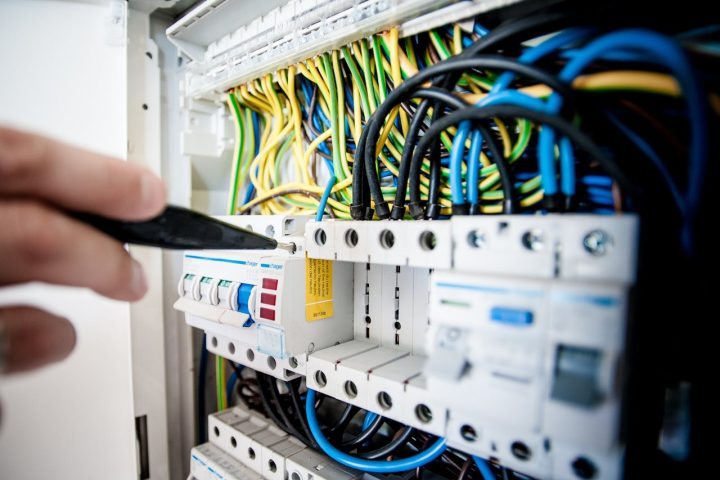
The C-wire issue
If your thermostat does not have a C-wire installed, it relies entirely on batteries. Battery changes are more frequent and more disruptive. Adding a C-wire (or a C-wire adapter at the furnace) eliminates this category of issue.
A licensed HVAC technician can install a C-wire if your wiring does not have one. Cost is usually under a few hundred dollars.
Realistic expectations
Most smart thermostats handle battery changes without issue. The minority that lose Wi-Fi after a swap are usually older models with simpler firmware. Newer models are more robust.
If your thermostat is several years old and Wi-Fi issues are becoming routine, replacement may be more practical than ongoing troubleshooting.
The annual battery calendar
Smart thermostats consume batteries faster than people expect, especially in homes where the C-wire is not present. Set a calendar reminder for once a year to swap batteries proactively. The cost of replacing one cell preventatively beats the inconvenience of the thermostat losing Wi-Fi at an inopportune moment.
The same logic applies to other battery-powered devices that are inconvenient when they die: smart locks, doorbells, leak sensors. The wider topic of device lifecycle is in our device replacement guide.
The C-wire investment
For households with chronic thermostat battery issues, having an electrician install a C-wire eliminates the problem entirely. The thermostat draws low-voltage power from the HVAC system and the batteries become a backup that lasts years. The one-time installation cost beats years of battery swaps. The wider topic of smart thermostat reliability is in our smart lock reliability guide.